MSC World Europa on its way to Valletta

Western Mediterranean · MSC World Europa

Six ports, four countries, one week

Barcelona, Marseille, Genoa, Naples, Messina and Valletta in seven days – with just one sea day. All port times, the best season to go, realistic costs and the route on the map.

HomeRoutesWestern Mediterranean

Europe condensed into one route

Four countries, six port cities and a single sea day: the western Mediterranean is Europe’s most-sailed cruise route – and for many, their first.

Between Barcelona and Valletta lie roughly 2,100 nautical miles of coastline where Catalan, Provençal, Ligurian, southern Italian and Maltese culture line up one after another. The legs are short, the nights at sea are calm, and every morning starts in a different language.

The MSC World Europa sails this route all year round. It is the first ship in the fleet powered by liquefied natural gas, carries around 6,700 guests and spreads them across 22 decks – which in practice means you can find a quiet corner on board even at full capacity.

In this article you will find:

  • All six ports with arrival, departure and port times
  • Distances from the terminal to the city centre – on foot, by shuttle, by train
  • The best time to travel by weather, price and crowds
  • A realistic cost breakdown including the items missing from the base fare
  • The complete route as a map

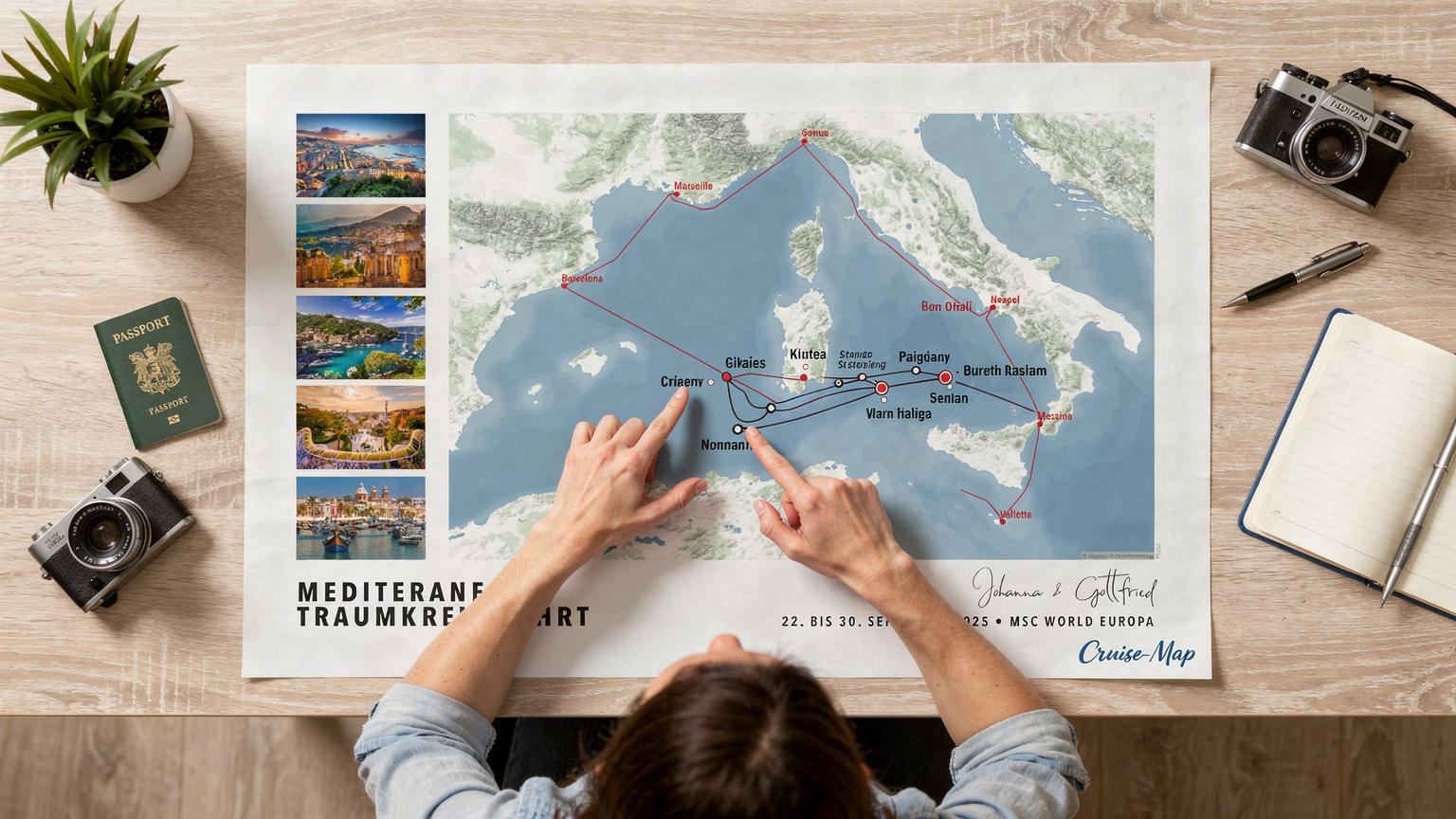
Create this route as a map

The route as a common thread

Six points, one line

A list of ports describes a journey as an enumeration. A map shows it as movement: how short the night between Barcelona and Marseille really is, why Messina lies almost on the way to Valletta, and where the only long stretch of the week appears.

The CruiseMap does not draw the straight line between two ports but the path the ship actually took – with the detour around Sicily and the approach to the Bay of Naples.

  • All six ports with name and position
  • The sailed sea route instead of straight connection lines
  • Ship name and travel period in the title block
  • As a file for your phone, a print for your living room or a puzzle

Create your own map

Day 1Barcelona
dep 18:00

Day 2Marseille
07:00–18:00

Day 3Genoa
08:00–16:00

Day 4Naples
13:00–20:00

Day 5Messina
09:00–18:00

Day 6Valletta
08:00–17:00

Day 7Sea day

Day 8Barcelona
arr 08:00

Schedule

The journey at a glance

Times are taken from the published itinerary of the line. Short deviations of 30 to 60 minutes are normal in the Mediterranean – the notice board on board is always binding.

Schedule of a typical 7-night round trip from Barcelona. The order of ports can vary by departure date.
Day Port Country Arrival Departure Port time
Day 1 Barcelona Spain Embarkation 18:00 All day in port
Day 2 Marseille France 07:00 18:00 11 hours
Day 3 Genoa Italy 08:00 16:00 8 hours
Day 4 Naples Italy 13:00 20:00 7 hours
Day 5 Messina Italy, Sicily 09:00 18:00 9 hours
Day 6 Valletta Malta 08:00 17:00 9 hours
Day 7 Sea day Mediterranean
Day 8 Barcelona Spain 08:00 Disembarkation

The ports

Six cities, six characters

Every port on this route can be explored on foot or by public transport. What differs is the way from the terminal to the centre – and that decides how much time you have left in the city.

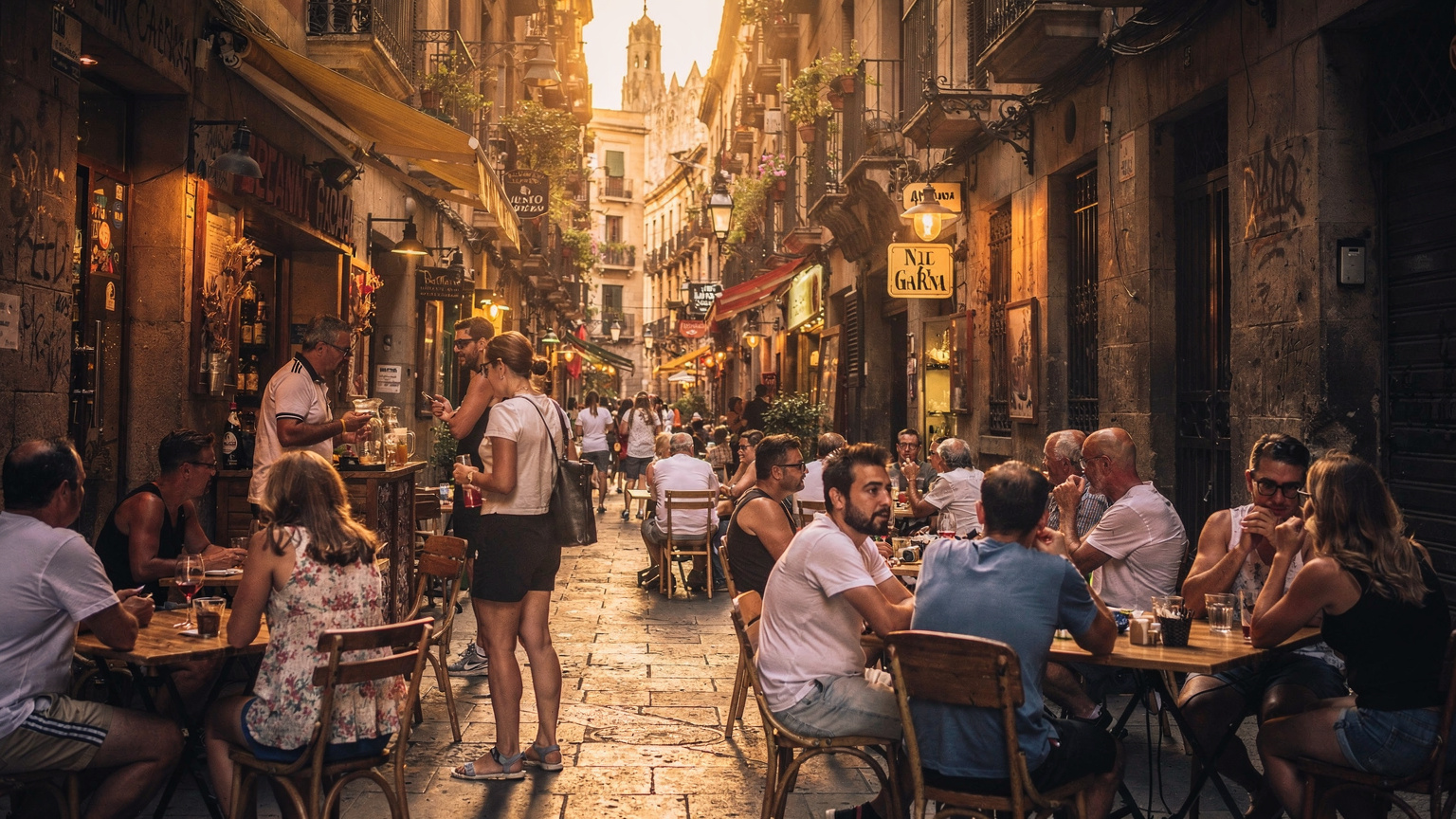
Gothic Quarter in Barcelona
The Gothic Quarter lies a few minutes behind the Rambla.

Day 1 · Barcelona, Spain · dep 18:00

The opener with the longest lead time

Barcelona is the embarkation port – and therefore the only place on the trip you can extend yourself. Ships dock at Moll Adossat, about four kilometres from the Columbus Monument. The walk is not open to foot traffic because of port operations; the shuttle takes about 15 minutes to the foot of the Rambla.

From there the Gothic Quarter is a five-minute walk. The Sagrada Família and Park Güell work with time slots that fill weeks ahead in high season. If you only book on arrival day, you usually only get late-afternoon slots.

Our tip

Travel a day earlier. Barcelona in seven hours between airport and embarkation is possible, but you only see the city in passing – and a delayed flight can cost you the whole cruise in the worst case.
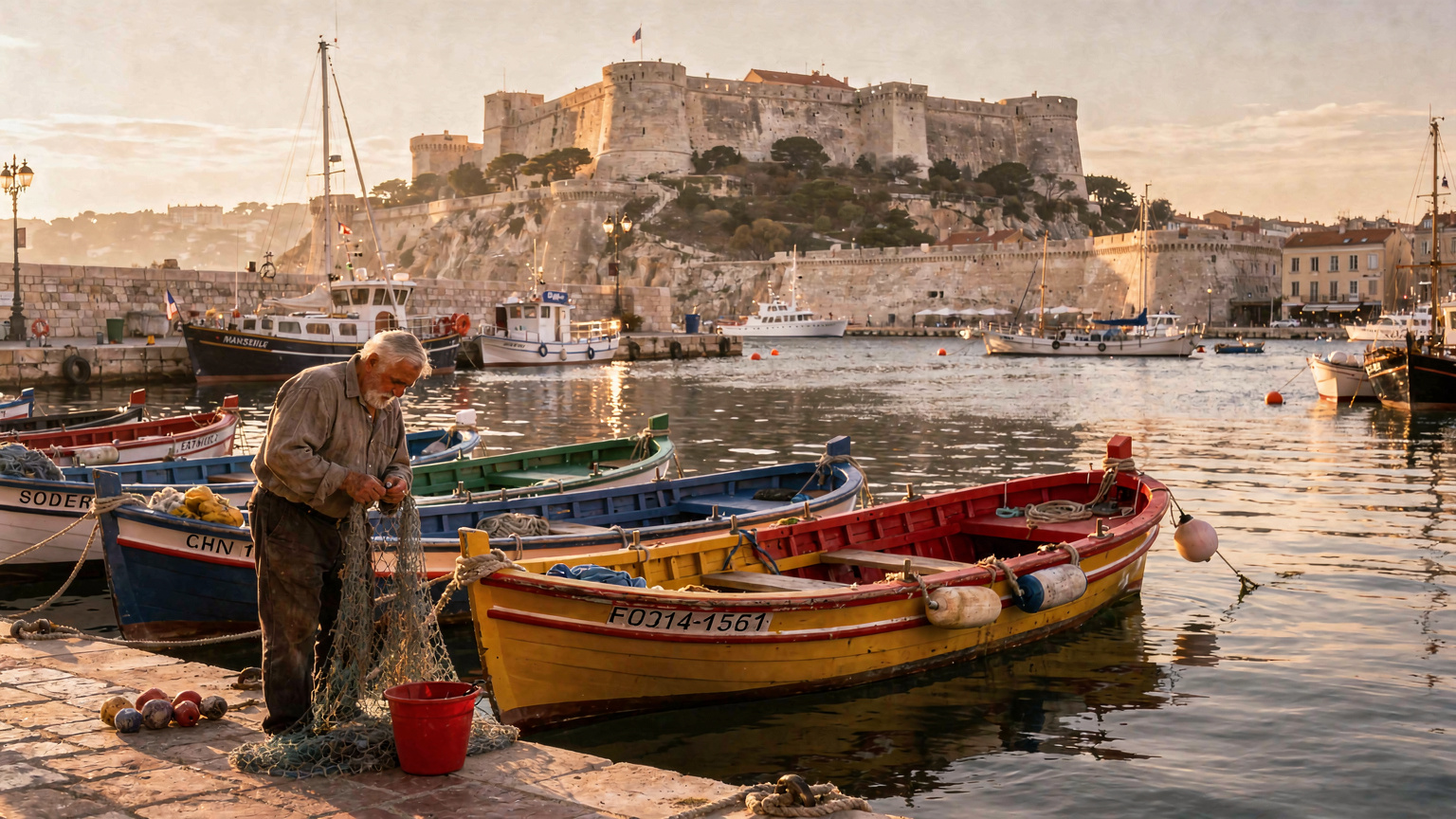

Vieux-Port in Marseille
The Vieux-Port in the morning, before the fish market closes.

Day 2 · Marseille, France · 07:00 – 18:00 · 11 hours

The longest port time of the week

Eleven hours is exactly right for Marseille, because the way into the centre is the longest on this route: the cruise terminal lies in the industrial port about ten kilometres north of the Vieux-Port. Nothing works without the shuttle, which takes 20 to 30 minutes depending on traffic.

At the Old Port everything else begins: the fish market on the Quai des Belges, which ends before noon, the Le Panier quarter with its staircase alleys, and the ferry across to Fort Saint-Jean. Notre-Dame de la Garde sits 160 metres above the city – on foot a good hour uphill, by bus 60 about 20 minutes.

Our tip

Take the first shuttle at 07:30. You are at the Vieux-Port before 08:15, see the fish market in action and still have Le Panier’s staircase alleys in the shade.

Old town of Genoa
The caruggi of the old town begin right behind the terminal.

Day 3 · Genoa, Italy · 08:00 – 16:00 · 8 hours

The port with the shortest walk

Genoa makes it easy for you. The Stazione Marittima lies at the edge of the old town, the Porto Antico with the aquarium is a ten-minute walk, and the Via Garibaldi with the Palazzi dei Rolli about twenty. No shuttle, no ticket, no lost time.

The Palazzi dei Rolli have been a UNESCO World Heritage Site since 2006: 42 aristocratic palaces that served as state guest houses by lot in the 16th century. Three of them are museums today and stand next to each other on the same street. Between them, the caruggi – alleys sometimes only two metres wide – lead down towards the harbour.

Good to know

With eight hours, Genoa is the second-shortest stop. A trip to Portofino or the Cinque Terre only fits into this window with an organised tour – on your own by train it gets tight.

Bay of Naples
Pompeii lies about 30 kilometres south-east of the port.

Day 4 · Naples, Italy · 13:00 – 20:00 · 7 hours

The day the clock decides

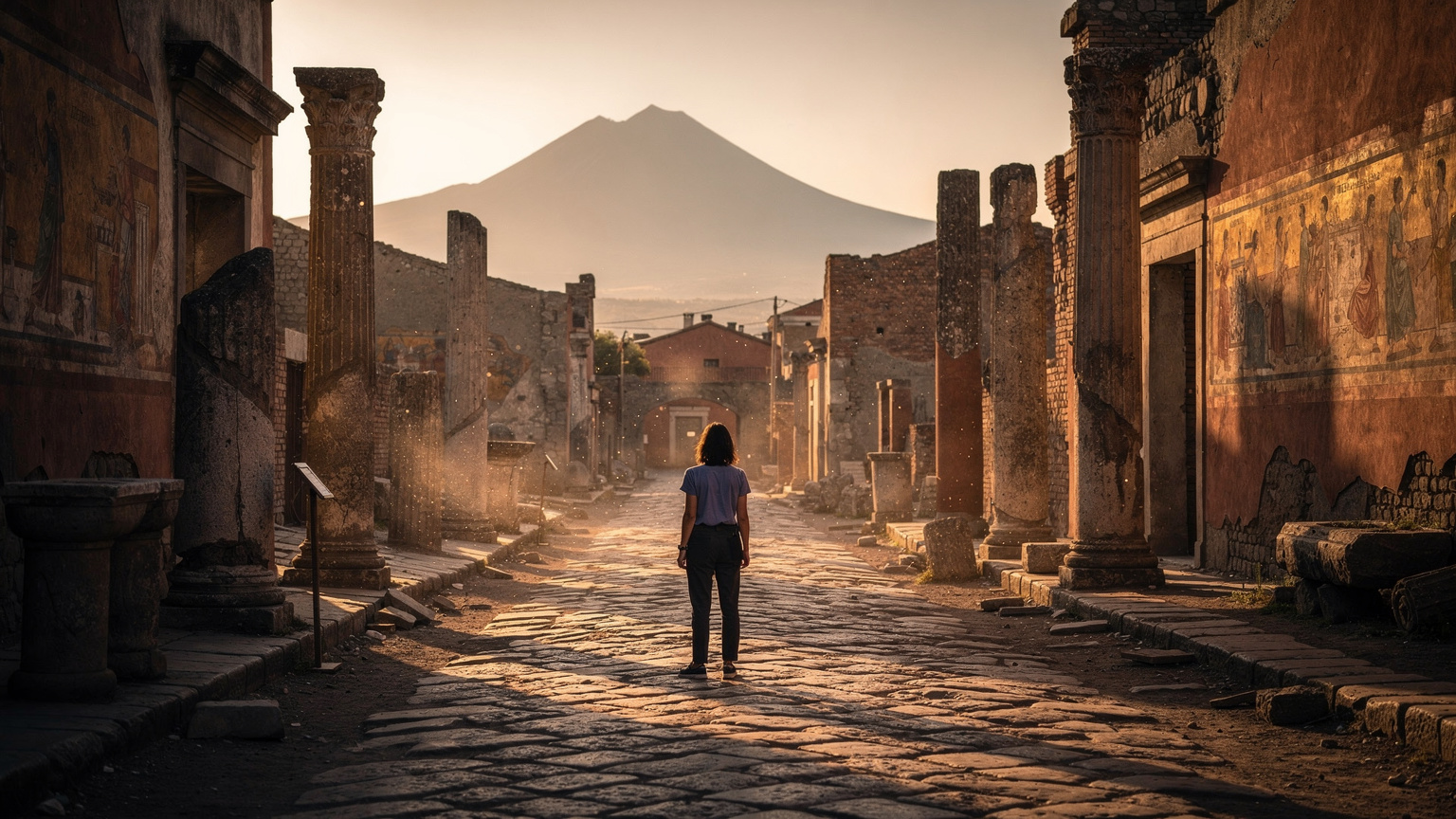
Naples is the shortest stop of the week and does not start until noon. The port is central: from Molo Angioino it is five minutes to Piazza del Plebiscito and fifteen to the Spanish Quarter. The excavations of Pompeii, on the other hand, lie 30 kilometres away – about 40 minutes on the Circumvesuviana from Napoli Garibaldi.

You cannot do both in one afternoon. Pompeii on your own means: out of the terminal around 13:30, at the gate around 15:00, two hours on the site, back on the ship around 18:30. It works – but leaves no buffer, and you should check the last return before you leave.

Our tip

If Pompeii is on your list, book it through the ship that day. If your transport is delayed, the ship waits for the organised group, not for individual guests. If you stay in Naples instead, you have seven relaxed hours for the old town, the National Archaeological Museum and pizza.

Sicilian ceramics in Messina
Sicilian ceramics – in Messina on almost every corner.

Day 5 · Messina, Sicily · 09:00 – 18:00 · 9 hours

The gateway to Sicily – or the city itself

Messina lies on the strait between Sicily and the mainland, and the ship docks right in the middle of the city. It is a ten-minute walk to the cathedral. There, the clock is worth a look in the literal sense: the astronomical clock tower from 1933 sets its gilded figures in motion every day at 12:00, a show that lasts about twelve minutes.

Those who want to go further travel to Taormina: 50 kilometres down the coast, about 90 minutes by bus, or by train to Taormina-Giardini in about 45 minutes plus a bus up into the town. The ancient theatre with its view of Etna is why most people make the journey.

Good to know

Both together gets tight. Nine hours are enough either for Taormina including the return or for Messina at leisure, with the cathedral, the market and a granita in the afternoon.

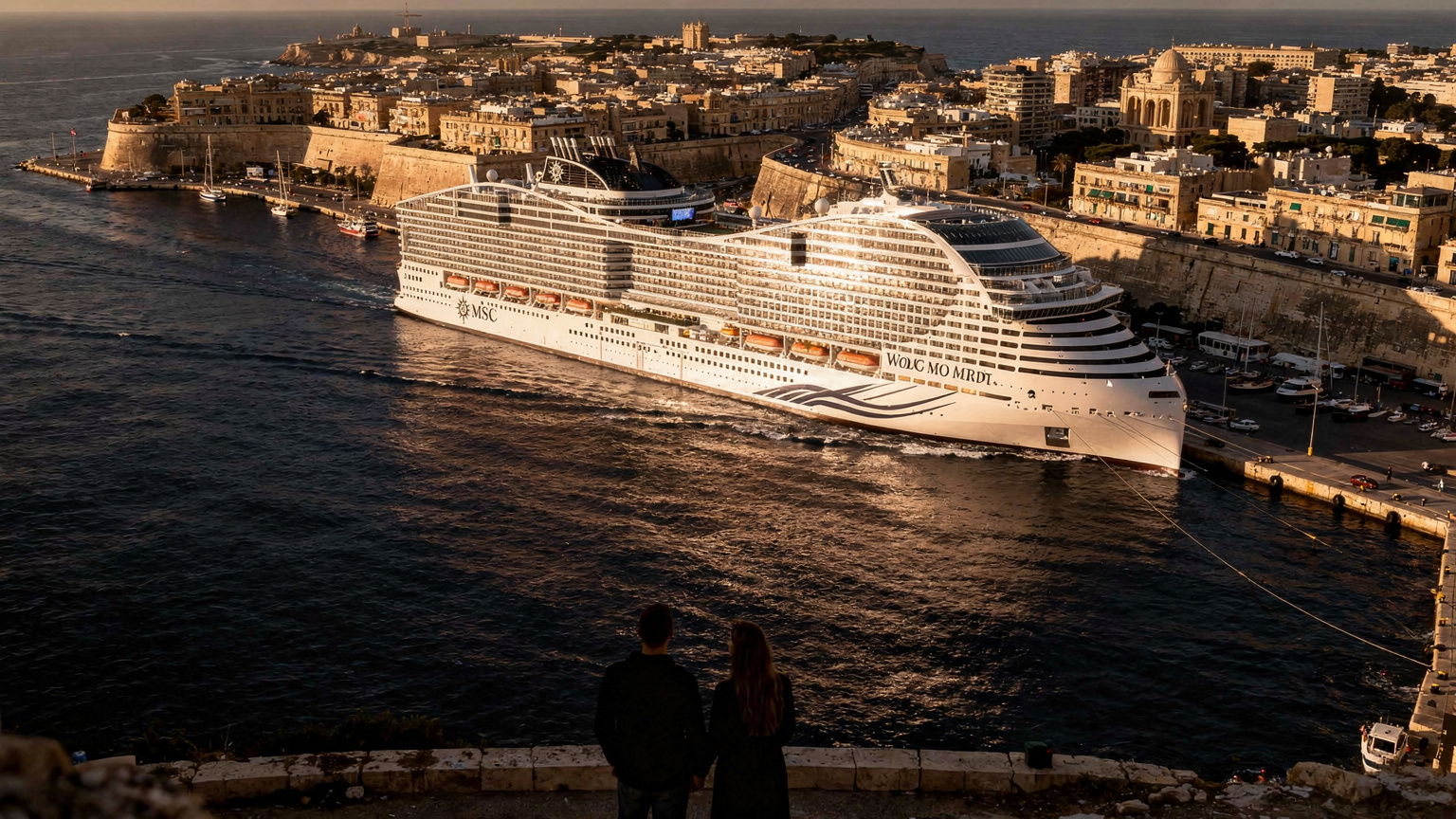
Valletta seen from the Grand Harbour
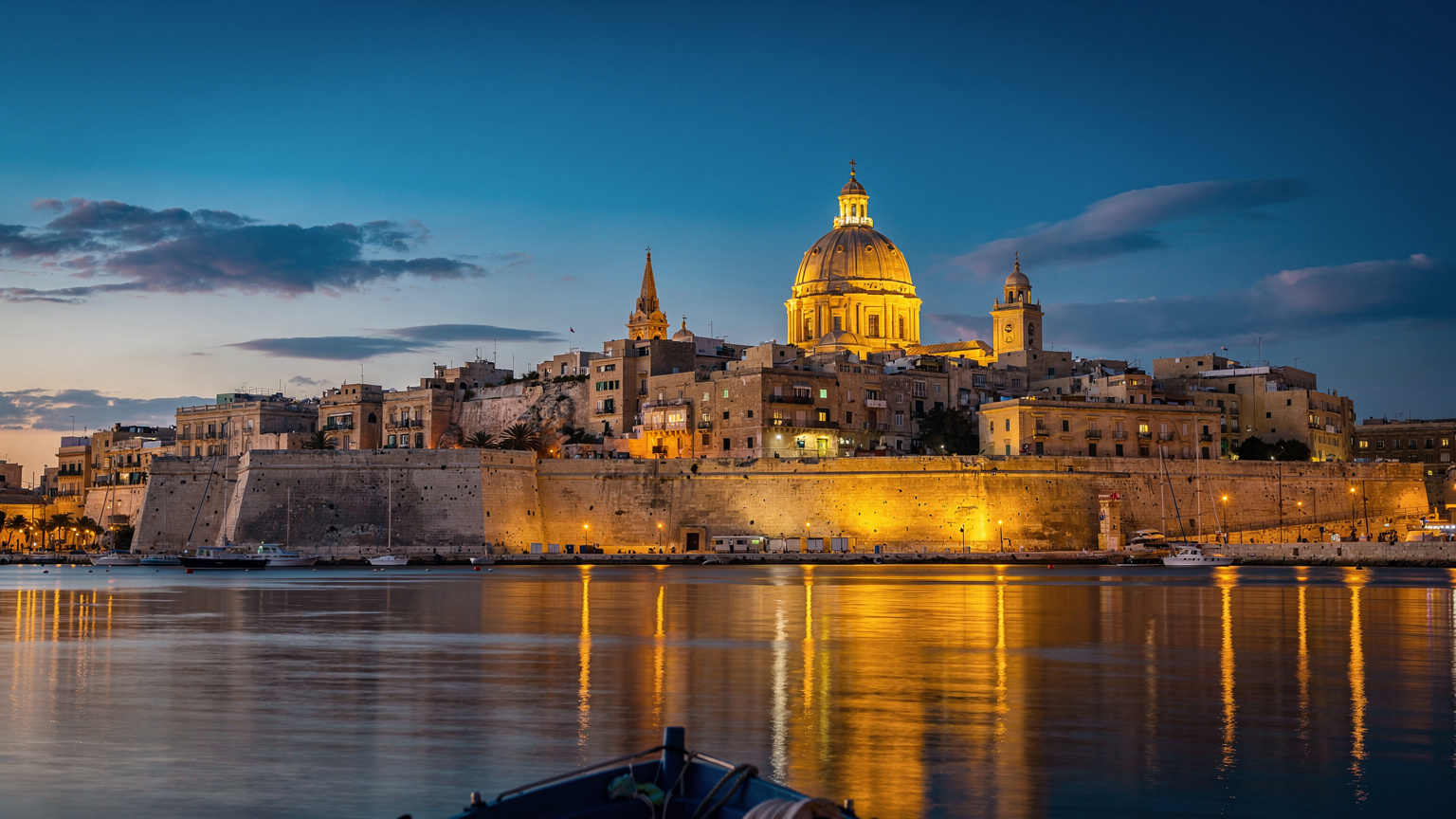
Valletta from the Grand Harbour – the entrance in the morning.

Day 6 · Valletta, Malta · 08:00 – 17:00 · 9 hours

The finale with the most beautiful entrance

The entrance to the Grand Harbour is the visual highlight of this route. From about 07:30 the ship slides between the bastions; those on deck see the fortress city grow from below. A reason to get up earlier that morning than on the others.

The ship lies at the Valletta Waterfront, directly below the old town. The Barrakka Lift takes you up 58 metres in 25 seconds to the Upper Barrakka Gardens, from there it is ten minutes to St John’s Co-Cathedral with the two Caravaggio paintings. The entire old town has been a UNESCO World Heritage Site since 1980 and measures only 600 by 1,000 metres – you cross it on foot in a quarter of an hour.

Our tip

At 12:00 the Saluting Battery below the Upper Barrakka Gardens fires its salute. Stand at the balustrade ten minutes early – from there you see the cannon and at the same time the Three Cities on the other side of the harbour.

Life on board on the sea day
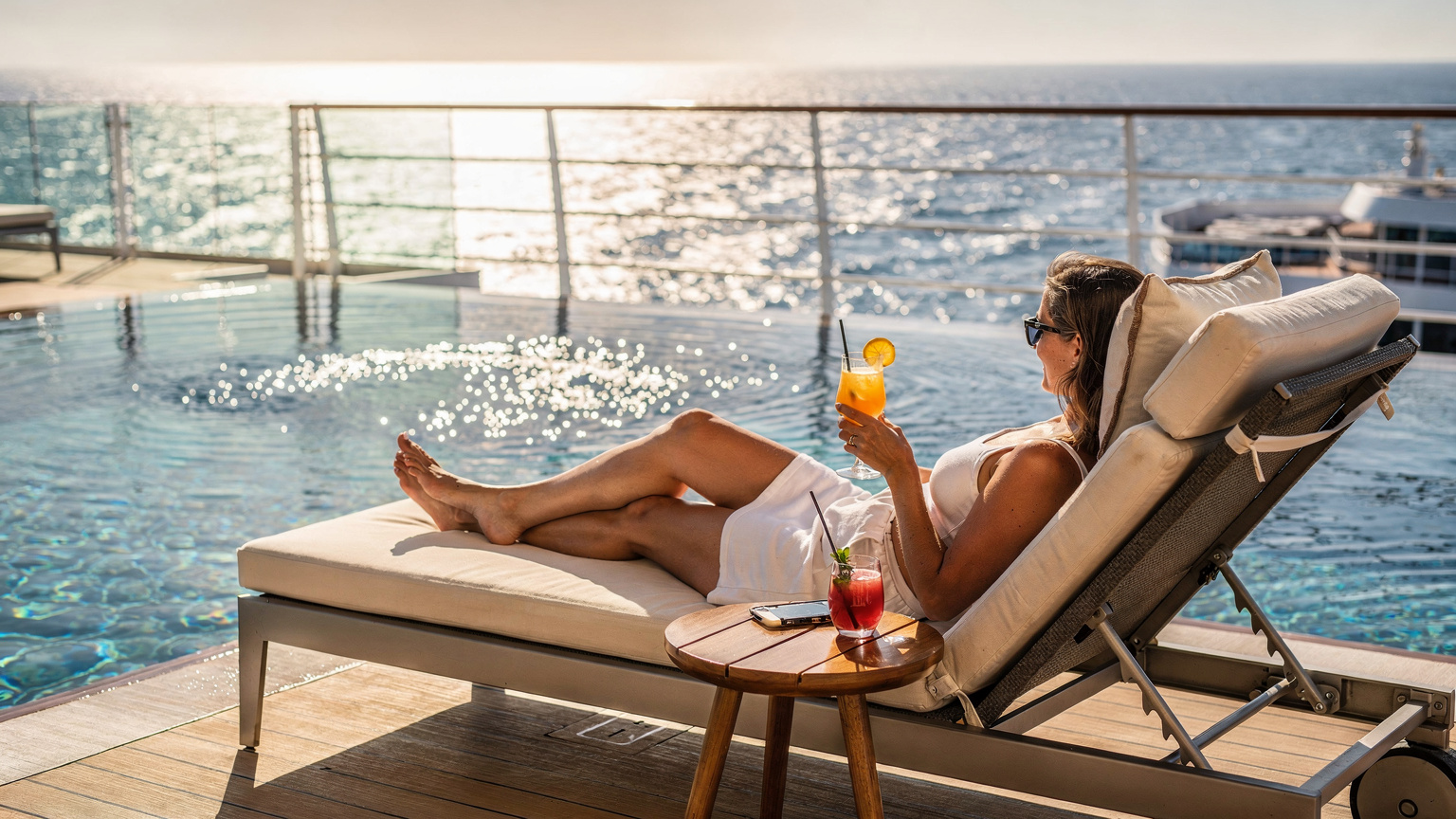
The sea day lies at the end of the route – deliberately.

Day 7 · Sea day · the way back to Barcelona

The only day without a schedule

From Valletta to Barcelona it is about 700 nautical miles – the only long stretch of the week and the reason this day lies entirely at sea. After six port days with an average of nine hours ashore, this is less idle time than balance.

Practically, most people use the day for packing, for the spa, which is empty on port days and full on sea days, and for settling the onboard account. The sun decks are busiest on this day; if you want a lounger, you are better off before 09:00.

Six port cities – and yet every leg feels like its own journey.

Western Mediterranean

Why this route works

Plenty of variety, little idle time

Five qualities distinguish this route from other Mediterranean itineraries – and explain why it has been the most-booked classic for decades.

4

Countries in seven days

Spain, France, Italy and Malta – four languages, four cuisines, four styles of architecture, without a single transfer.

9 hrs.

Average port time

Between seven and eleven hours per port. Enough for a relaxed old town, too little for two destinations in one day.

4 of 6

Ports with UNESCO World Heritage

Gaudí’s buildings in Barcelona, the Palazzi dei Rolli in Genoa, Pompeii near Naples and the old town of Valletta.

1

Sea day

Six port days, one day at sea – and it lies at the end, when the impressions want to be sorted.

12

Months of the year sailed

The route runs all year round. You follow your holiday, not the schedule.

2,100

Nautical miles total

Short night legs between ports, one long passage at the end. Exactly this distribution is what the map shows.

Assessment

Is this route right for you?

You will like this route if …

  • It is your first time on a cruise ship. Familiar cities, short legs, only one sea day – the entry without surprises.
  • You like cities and history. Four UNESCO sites, Roman excavations, Baroque, Gothic and Art Nouveau in one week.
  • You travel with teenagers. Every port offers something interesting even at 15 – from Pompeii to the fortresses of Malta.
  • You like it relaxed. All ports are accessible on foot or by shuttle, no stop requires a 4 a.m. alarm.
  • You love city breaks. This route is a city break on water – with the hotel that keeps sailing at night.

A different route fits better if …

  • You want the sea, not the city. The eastern Mediterranean with the Greek islands offers significantly more swimming time.
  • You seek peace and nature. Norway calls at fewer ports and covers more landscape – fjords instead of pedestrian zones.
  • You like long sea days. On this route there is exactly one. Those who want the feeling of open sea are better off on a transatlantic crossing.
  • You already know the ports. If you have seen Barcelona, Naples and Valletta before, the Adriatic route offers the smaller destinations.

Best time to travel

May and September offer the best balance

The route runs all year round. The difference between the seasons lies less in the weather than in the balance of temperature, crowds and price.

Spring

April and May

Air18–24 °C
Water17 °C
Sun8 hrs/day
Rain days5 per month
Crowdsmedium

Pleasant walking temperatures, blooming landscapes and sights that still have room for you. Evenings cool to about 15 °C – a light jacket belongs in the hand luggage.

Ideal for culture, couples, active travellers

Summer

June to August

Air28–34 °C
Water24 °C
Sun12 hrs/day
Rain days2 per month
Crowdshigh

Reliable swimming weather and long evenings – the sun sets only around 21:00. In Naples and Barcelona midday temperatures in July often exceed 32 °C: start early, rest in the shade at noon.

Ideal for families with school children, beach holidays

Autumn

September and October · Recommendation

Air22–27 °C
Water22 °C
Sun9 hrs/day
Rain days6 per month
Crowdslow

The water is still summer-warm, the air mild and the cities noticeably quieter than in August. From October a few showers arrive, which usually pass after one or two hours.

Ideal for connoisseurs, couples, best agers

Winter

November to March

Air12–16 °C
Water14 °C
Sun5 hrs/day
Rain days8 per month
Crowdsvery low

The cheapest time of the year, with museums almost to yourself and Christmas markets in Barcelona and Genoa. Swimming is out, and a few smaller restaurants are closed.

Ideal for budgets, quiet, flexible timing

Assessment from the perspective of a city and culture trip. For a beach holiday the picture shifts towards summer.
Criterion Spring Summer Autumn Winter
Temperature very good (21 °C) good (32 °C) very good (24 °C) moderate (14 °C)
Crowds medium high low very low
Price level medium highest cheap cheapest
Swimming weather limited ideal good no

On board

Who sails this route

Besides MSC Cruises, Costa Crociere and Royal Caribbean among others sail comparable round trips from Barcelona. This article refers to the MSC World Europa – with two very different ways to live on board.

Standard to balcony

MSC World Europa

The first ship in the line powered by liquefied natural gas, with room for around 6,700 guests on 22 decks. Modern Italian cruising with a large family offering.

Included in the fare: cabin, all main meals, drinks at the buffet, shows, pools and fitness, childcare, port charges.

Typical extras: drinks package, Wi-Fi package, speciality restaurants, shore excursions, service fee.

Our tip

A drinks package usually pays off from about four drinks a day. Booked in advance it is usually cheaper than on board.

Ship within the ship

MSC Yacht Club

A self-contained area with its own restaurant, its own pool and sun deck, butler service and priority embarkation and disembarkation – with a noticeably smaller number of guests.

Additionally included: premium drinks, Wi-Fi, 24-hour butler, exclusive restaurants and deck areas.

Still extra: shore excursions, spa treatments, fine wines and champagne.

Good to know

The surcharge relativises if you would have booked the drinks package, Wi-Fi and priority anyway. Add these items up before comparing.

Budget

What the trip really costs

Offers start in winter at around €650 per person. Realistically for a week with travel, drinks and a few excursions you are looking at €1,800 to €2,800 – here is what makes up the difference.

Included in the base fare

  • Cabin for seven nights
  • Breakfast, lunch and dinner
  • Water, coffee, tea and juices at the buffet
  • Shows, entertainment, pools, fitness
  • Childcare
  • Port charges and taxes

What comes on top

Budget firmly: travel to and from Barcelona (€150–400) plus the service fee, charged automatically on board (about €84 per week).

Mostly booked: drinks package (€350–490), shore excursions (€45–120 per port), Wi-Fi package (€110–270).

Optional: speciality restaurants (€100–200), spa (€80–250), photos and souvenirs (€50–150).

Reference values per person with double occupancy, as of September 2026. Cruise prices vary considerably by departure date and booking time.
Item Budget Comfort Premium
Cruise €899
Interior cabin
€1,299
Balcony cabin
€2,199
Suite or Yacht Club
Travel €150 €250 €350
Drinks €0 €350 €490
Excursions €180 €360 €600
Service fee and extras €50 €200 €400
Total €1,279 €2,459 €4,039
Where you can save the most

Two ports on this route – Genoa and Valletta – you explore on foot without any excursion. If you only book in Naples and Messina, you save about €250 compared to six booked excursions and lose nothing.

Preparation

Packing list: the essentials

Six port days on foot add up. This list is limited to what makes the difference on exactly this route.

Clothing

  • Broken-in shoes. 15,000 steps a day add up quickly on port days.
  • One formal outfit. For the formal evenings on board.
  • Shoulder cover. Many churches in Italy and Malta require it.
  • Swimwear. For the pools on board.
  • Light jacket. For air-conditioned rooms and evenings on deck.

Tech

  • Power bank from 10,000 mAh – photos and navigation drain the battery fast.
  • Travel adapter type C and F for all ports on this route.
  • Waterproof phone case for tender boats and the pool deck.
  • Headphones for the sea day.

Practical

  • Reusable bottle. On board there are water dispensers, in the old towns public fountains.
  • Small backpack up to 10 litres for the shore excursions.
  • Sunscreen SPF 50+ – the Mediterranean sun is strong even in April.
  • Travel pharmacy with your personal medication.

Documents

  • ID card or passport in the original.
  • Booking confirmation printed out.
  • Insurance documents including overseas health cover.
  • European Health Insurance Card on the back of the health card.

Frequently asked questions

What travellers want to know before booking

How long does the route take?

Seven nights: six port days and one sea day. For a first Mediterranean cruise that is a good length – long enough for a real impression, short enough not to tie up the entire annual holiday.

What does the trip cost on average?

Expect €1,800 to €2,800 per person for the whole week. Included are a balcony cabin, travel, drinks package, some excursions and the service fee. Budget travellers get by on about €1,300, with a suite and all excursions you reach €4,000.

Do I need a visa?

For EU nationals an ID card is enough, all six ports lie in Spain, France, Italy and Malta. Non-EU travellers should check the Schengen rules of their own country; a Schengen visa covers all ports of call on this route.

Can I explore the ports on my own?

Yes, all six. Genoa, Naples, Messina and Valletta are within walking distance of the old town. In Barcelona and Marseille a shuttle takes you to the centre in 15 and 25 minutes respectively.

A booked excursion is mainly worth it where the destination is far away and time is short: Pompeii on day 4 and Taormina on day 5.

Is there Wi-Fi on board?

Yes, for a fee, in several package levels – from pure surfing to streaming. Booked online in advance it is cheaper than on board. In all six ports you will also find free Wi-Fi in cafés, which is handy for larger downloads.

When is the best time to travel?

May and September. You get around 24 °C, noticeably fewer crowds than in high summer and a lower price level. If you like summer, go in June or July; if you mainly watch the price, go between November and March.

Are shore excursions included in the price?

No. Excursions by the line cost between €45 and €120 per person and port, depending on duration and destination. Local providers are often cheaper but take no responsibility for getting you back to the ship on time – a difference that matters on day 4 in Naples.

Which side of the cabin is better?

On this route there is no permanently preferred side, because the round trip changes direction. For the entrance to the Grand Harbour of Valletta on day 6, the open deck is worth more than any balcony anyway.

Verdict

The classic, and for good reason

Six ports, four countries, four UNESCO sites and a single sea day: this route condenses European coastal history into seven nights without a single day feeling rushed. Barcelona sets the opening, Marseille gives the longest port time, Genoa the shortest walk, Naples the hardest decision, Messina the choice between city and Etna – and Valletta the most beautiful entrance.

Our recommendation: book May or September, travel to Barcelona a day before embarkation, and plan at least two ports without a booked excursion. That saves money and gives you the freedom to simply set off in Genoa or Valletta.

After the trip

Photos show moments. A map shows the whole journey.

Your route is created from what the ship actually sailed – with all six ports, the ship’s name and your travel period.

  • All ports of this route drawn in with their names
  • The sailed sea route instead of straight lines
  • Ship name and travel date in the title block
  • Nine map styles to choose from
CruiseMap Social Purefree, one format for sharing
CruiseMap Social Personalisedwith photo, name line and ship illustration
Wall Art and Puzzleprinted in museum quality

Create your map free

Works with every ship that sails this route.

CruiseMap as wall art and puzzle

Keep reading

Alternative routes in comparison

In case this week does not quite fit: four routes with the same duration but different priorities.

Eastern Mediterranean

Greek islands instead of Italian cities: Santorini, Mykonos and Athens. More swimming time, less pedestrian zone.

Duration
7 nights
Ports
5 to 6
Focus
Islands, swimming

To the route overview

Norwegian Fjords

Instead of 30 °C and old town: 18 °C and landscape. Waterfalls, glaciers and long passages through the fjords.

Duration
7 to 10 nights
Ports
4 to 5
Focus
Nature, quiet

To the route overview

Western Mediterranean extended

The same base route plus Tunisia or Morocco. Two to three more ports, but a longer trip.

Duration
10 to 11 nights
Ports
7 to 8
Focus
Cultural contrasts

To the route overview

Adriatic

Venice, Bari, Split and Dubrovnik. Smaller ports, shorter distances, overall calmer than the western route.

Duration
7 nights
Ports
5 to 6
Focus
Italy, Croatia

To the route overview

Nora · CruiseMap editorial team

Nora writes the route and port articles of the CruiseMap editorial team. The basis is published itineraries, official information from the ports and the route data from the CruiseMap database – no personal travel reports.

Fact-checked by Leonhard Seidl, founder of CruiseMap, Sportseeschifferschein, over 15,000 nautical miles. · This article was created editorially and fact-checked before publication. · AI-assisted tools were used in its creation.